Choosing Your Quad Bike in Dubai: A Practical Guide
Understanding the Terrain
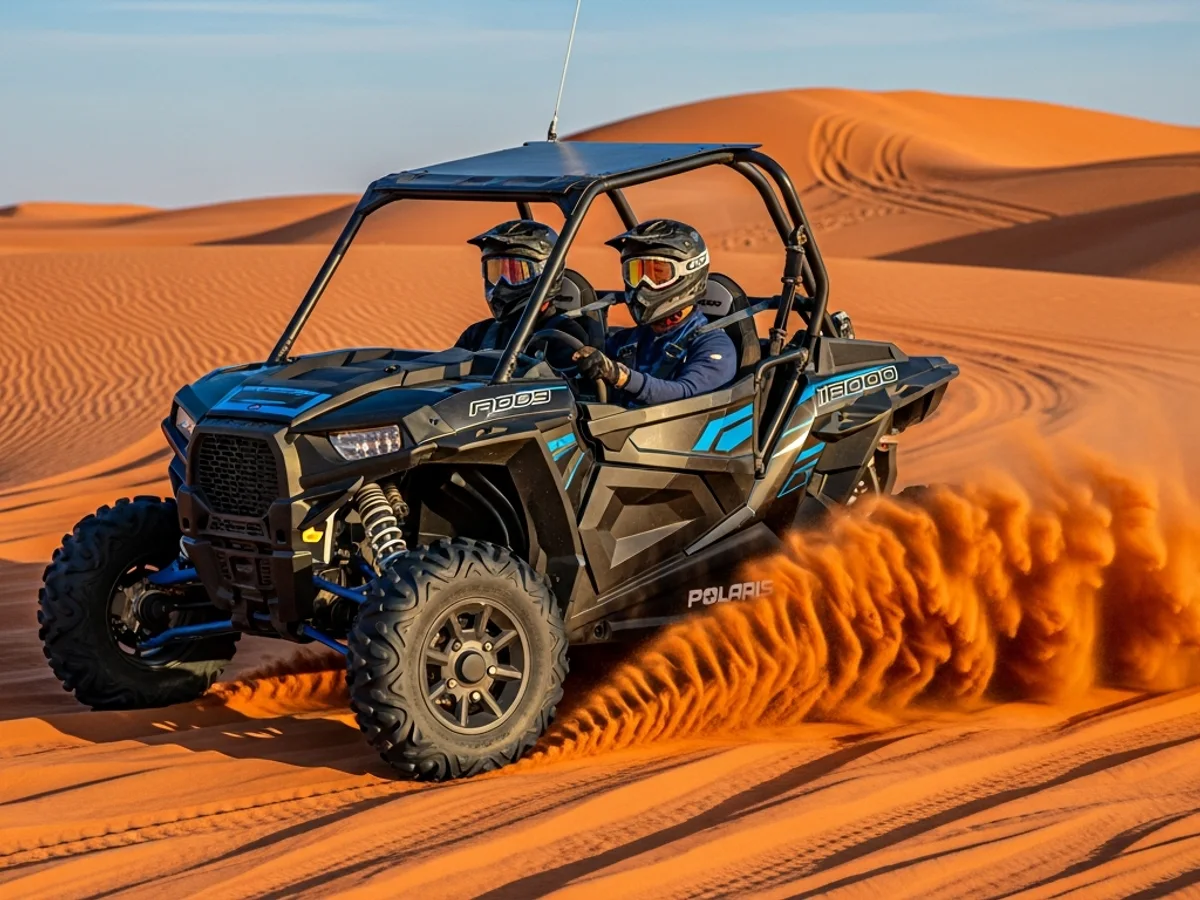
Dubai's desert is unlike any other riding surface. The sand is fine, loose, and constantly shifting. The dunes rise steeply and drop off unexpectedly. A quad bike that feels perfect on a gravel track back home can be completely wrong here. The first step is to accept that the desert demands a machine built for soft sand. Look for wide, deep-tread tires that will float on top of the sand rather than dig in. A bike with a high centre of gravity can tip on a side slope, so stability matters more than outright speed.
Before you even think about power or colour, consider the weight of the quad. Heavier machines tend to sink in soft patches, and you will spend more energy wrestling them out. Lighter models are easier to control and more forgiving when you make a mistake. That said, a very light quad can feel skittish on a fast descent. The best choice sits in the middle: sturdy enough to hold a line, light enough to steer with your body weight.
Engine Size and Your Experience Level
The engine size is the single most important factor in matching the quad to the rider. A 250cc motor is fine for a beginner who wants a gentle cruise across the flats. It will climb modest dunes and never surprise you with sudden acceleration. An intermediate rider on a 250cc will quickly feel underpowered when the sand gets deep or the dune gets tall. For that rider, a 400cc to 500cc engine gives enough torque to power up a steep face without the bike bogging down.
Experienced riders often go for 700cc or larger. These machines can climb almost any dune and maintain speed on long stretches of open desert. But they are heavy and can be dangerous in the hands of someone who has not learned to read the sand. A big engine on a soft dune can flip the bike backward if you hit the throttle too hard. The rule is simple: choose the smallest engine that can do what you want. If you are unsure, go a step smaller. A quad that is easy to handle is far more fun than one that scares you.
Watch Out for Rental Fleet Machines
Many companies in Dubai rent quad bikes that have seen heavy use. The engines may be worn, the tires balding, and the brakes less responsive than they should be. A machine that has been ridden hard every day for a season will not handle like a new one. If you are renting, inspect the quad before you set off. Check the tire pressure by pressing on the sidewall. Low pressure is common and makes the bike wallow. Check that the handlebars are straight and that the steering feels tight. Ask when the last service was done. A good operator will have a log. If they cannot answer, that is a red flag.
This is where a site like classicdesertsafari.com can help you compare operators and read what other riders have experienced. One use of that resource is to see which companies maintain their equipment well. Another is to get a feel for the typical condition of the rental quads before you book. It is a practical step that saves trouble later.
Safety Gear Is Not Optional
A helmet is the minimum. In the Dubai heat, a full-face helmet can feel stifling, but it protects your face if the bike goes over. Goggles are essential because sand gets everywhere. A pair of gloves stops blisters and gives you a better grip on the throttle. Sturdy boots with ankle support can prevent a twisted ankle if you put a foot down in a rut. Some riders skip the gear because it is hot. That is a mistake. The desert is unforgiving, and a fall at even moderate speed can cause injury that ruins the trip.
Make sure the helmet fits snugly. A loose helmet will shift in a bump, and the visor can fog up. If you wear glasses, try the helmet on with them. Some helmets pinch the frame of glasses and make them uncomfortable. It is worth spending extra time on this because you will be wearing the gear for hours.
Reading the Sand
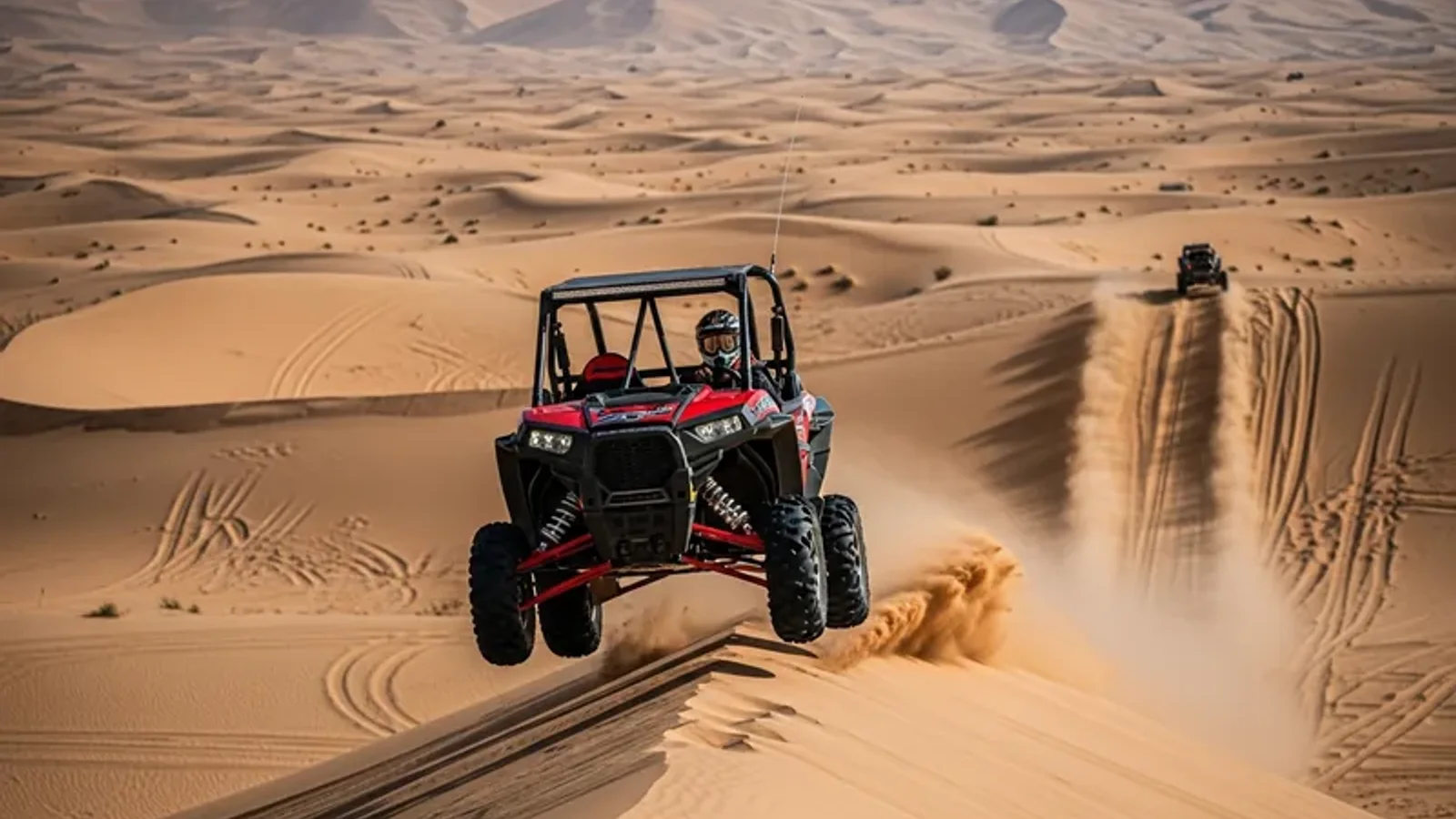
Riding a quad in the desert is not just about throttle control. You have to read the terrain. The colour of the sand tells you its firmness. Lighter sand is usually looser. Darker patches can be damp and firmer. Look for tracks left by other vehicles. If the tracks are deep, the sand is soft. If they are shallow, the surface is hard. Avoid the soft sand on a steep climb because you will lose momentum and get stuck.
When descending a dune, keep the bike pointed straight down. Turning on a steep slope can cause the quad to slide sideways and tip. Use the brakes gently. Grabbing a handful of brake on loose sand can lock the wheels and send you into a slide. Let the bike find its own speed with a little rear brake. If you feel the front end dig in, ease off and steer up slightly to lighten the front. These are skills that come with practice, but knowing them beforehand helps you avoid the common mistakes.
When to Ride
The desert is best in the early morning or late afternoon. The light is softer, and the sand is cooler. Midday heat can make the bike overheat and sap your energy. A sunset ride is popular for a reason: the temperature drops, the dunes catch the golden light, and the wind usually dies down. If you ride in the middle of the day, carry extra water and take frequent breaks. Heat exhaustion can come on fast, and there is no shade out there.
Group Rides and Etiquette
If you ride with others, maintain a safe distance. The cloud of sand from the quad ahead can blind you. A gap of at least four bike lengths is sensible on flat ground and more on a dune. If someone in your group gets stuck, do not gun your engine to show off. Help them dig out or tow them gently. A stuck quad is common; it is not a failure. The best groups ride at the pace of the least experienced rider. Pushing a beginner into a difficult dune only leads to trouble.
Communication is limited by the noise of the engines. Agree on hand signals before you start. A raised hand means stop. A circular motion over the head means turn back. A pointed finger means go that way. Without signals, you can easily lose a rider in the dunes.
Maintenance Checks You Can Do
Even if you are not mechanically inclined, a few simple checks can prevent a breakdown. Look at the air filter. In the desert, a clogged filter is the most common cause of power loss. If you can see dust on the intake side, the filter needs cleaning. Check the oil level on the dipstick. Low oil can damage the engine quickly. Feel the brake levers. They should be firm, not spongy. Spin the wheels by hand to see if the bearings are rough. If you hear a grinding noise, the wheel bearing is failing. These checks take five minutes and can save you a long walk back.
If the quad has a radiator, make sure the fins are not packed with sand. A blocked radiator causes the engine to overheat. A gentle blast of compressed air or a soft brush can clear it. Do not use a pressure washer because that can bend the fins.
Knowing When to Walk Away
Not every quad bike for rent in Dubai is worth riding. If the machine looks neglected, the tires are bald, the chains are loose, or the owner seems uninterested in your safety, walk away. There are plenty of operators who take pride in their equipment. A short online search on a site like classicdesertsafari.com can point you to those who care. It is better to wait another day than to spend the afternoon pushing a broken quad out of a dune.
Trust your instincts. If something feels wrong, it probably is. The desert will still be there tomorrow.